
Psychology for School Administration in the VUCA World Era
Keywords:
Psychology, School administration, The VUCA world eraAbstract
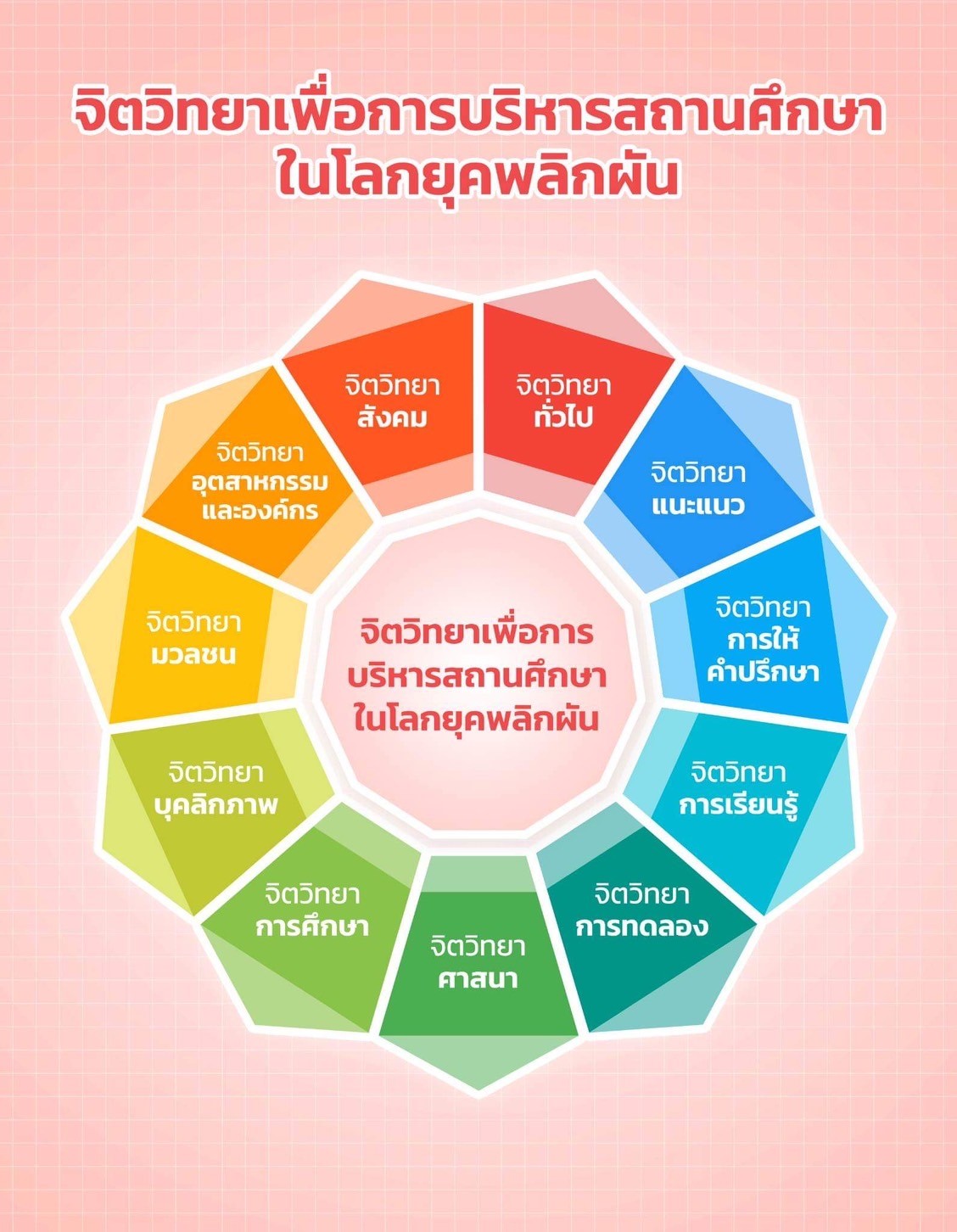
School administrators in a volatile world situation known as VUCA World, which consists of uncertainty, complexity, chaos, and ambiguity. With rapid change in social situations and environments, school administrators must apply their knowledge of psychology to understand themselves, understand the differences between people, and understand the changes in things in the world of the turning era. They must have living skills, or the art of living skills, to learn, adapt, and build new work skills. To drive the implementation of the mission and responsibilities of the organization. ready for various changes. Potential plans are being made for the administration of educational institutions around the world. This may be an unplanned event or anticipated in advance. School administrators must have the knowledge and science of administration and the science of nurturing the mind and have sufficient physical and mental immunity to cope with "The VUCA World Era". This academic article presents the concept of the VUCA world era, the concept of psychology, and psychology for school administration in the VUCA world era.
References
กรมพัฒนาสังคมและสวัสดิการ. (2563). ยุทศาสตร์ชาติ 20 ปี กับการจัดทำแผนยุทธศาสตร์การพัฒนาของรัฐบาล ปัญหาข้อขัดแย้ง. สืบค้นเมื่อ 12 พฤศจิกายน 2563. จากhttp://www.dsdw2016.dsdw.go.th/doc_pr/ndc_2560-2561/PDF/8520st/
จิราภรณ์ ตั้งกิตติภาภรณ์. (2557). จิตวิทยาทั่วไป. กรุงเทพมหานคร: สำนักพิมพ์จุฬาลงกรณ์มหาวิทยาลัย.
ธานินทร์ เอื้ออภิธร. (2560). ทักษะการเรียนรู้ใหม่เพื่อรับมือความเปลี่ยนแปลง. สืบค้นเมื่อ 5 มกราคม 2560. จากhttp://www.thestandard.co/learning-for-change
เนตร์พัณณา ยาวิราช. (2560). การจัดการเปลี่ยนแปลงและพัฒนาองค์การ. (พิมพ์ครั้งที่ 2). กรุงเทพมหานคร: ทริปเพิ้ล.
ปัญจมาภรณ์ พุทธพรพิสุทธิ์. (2562). องค์ความรู้ทางจิตวิทยาเพื่อการบริหารโรงเรียนมัธยมศึกษา. ดุษฎีบัณฑิต ภาควิชาบริหารการศึกษา. มหาวิทยาลัยศิลปากร.
พสุ เดชะรินทร์. (2560). ผู้บริหารในยุค VUCA ต้องทำอะไร. สืบค้นเมื่อ 16 ธันวาคม 2560. จากhttp://www.bangkokbiznews.com/blog/detail/64285
พิพัฒน์ ยอดพฤติการณ์. (2550). เศรษฐกิจพอเพียงในภาคธุรกิจ. (พิมพ์ครั้งที่ 2). กรุงเทพมหานคร: วนิดาการพิมพ์. พัชราภรณ์ ดวงชื่น. (2561). ผู้นำองค์กรในโลก VUCA. ดุษฎีบัณฑิต. สาขาวิชาการบริหารองค์กรภาครัฐและเอกชน: มหาวิทยาลัยคริสเตียน.
มาฆวัน กาบินพงษ์. (2552). สิทธิประโยชน์และวิธีปฏิบัติทางภาษีสำหรับธุรกิจ SMEs. กรุงเทพมหานคร: สำนักงานสรรพากรพื้นที่ฉะเชิงเทรา.
ศศิมา สุขสว่าง. (2560). ความท้าทายสำหรับผู้นำยุคใหม่. สืบค้นเมื่อ 16 ธันวาคม 2560. จากhttp://www.sasimasuk.com/16768188/vuca-world
สุภศักดิ์ กฤษณามระ. (2563). ผู้นำองค์กรควรรับมือกับวิกฤตโควิด-19 อย่างไร. สืบค้นเมื่อ 27 มีนาคม 2564. จากhttp://www2.deloitte.com/th/en/pages
สถานบันเพิ่มผลผลิตแห่งชาติ. (2560). การบริหารองค์กรของผู้นำให้ประสบความสำเร็จ. สืบค้นเมื่อ 20 ธันวาคม 2560. จากhttp://www.ftpi.or.th
สำนักงานคณะกรรมการพัฒนาเศรษฐกิจและสังคมแห่งชาติ. (2559). แผนพัฒนาเศรษฐกิจและสังคมแห่งชาติ ฉบับที่ 12 พ.ศ. 2560-2564. กรุงเทพมหานคร: สำนักนายกรัฐมนตรี.
Jane S. Halonen and J. W. Santrock. (1996). Psychology: Contexts of behavior (Madison, WI, US: Brown & Benchmark Publishers.
Downloads
Published
How to Cite
Issue
Section
License
Copyright (c) 2023 Journal of Perspectives in Education

This work is licensed under a Creative Commons Attribution-NonCommercial-NoDerivatives 4.0 International License.


