A study of beliefs about warding off bad luck in Wat Sisa Thong.
Abstract
The research entitled “A Study of Beliefs Regarding to Misfortune Removal Rite at Wat Srisathong Temple” aims to study three objectives as follows: 1) To study the beliefs, history, and characteristics of beliefs regarding Mmsfortune removal rite at Wat Srisathong temple. 2) To examine the forms and expressions of misfortune removal beliefs among the people at Wat Srisathong, and 3) To explore the process by which these beliefs have become central and normative within the community around Wat Srisathong. This qualitative research is based on in-depth interviews with 10 key informants, whose responses were analyzed and presented descriptively.
The Research Findings showed that
1) Historical development of beliefs regarding. The historical development can be categorized into, removal rite at Wat Srisathong is rooted in the concept of mysterious and supernatural forces that can positively transform an individual's life. This transformation is believed to bring about fortune and change misfortune into good fortune, influenced by deities, spirits, and natural phenomena such as thunderstorms. Astrological characteristics and belief in the orbit and movement of the Navagraha which influence the shifting of zodiac signs and celestial bodies.
2) The forms and methods of misfortune removal, such as offering Sangha Dana and using Pangsukula cloth as a symbolic gesture to extend one's lifespan. Daily misfortune-warding rituals include worshiping the Buddha image associated with one’s day of birth and. planets and and traditional This practice provides comfort and a psychological refuge for the community.
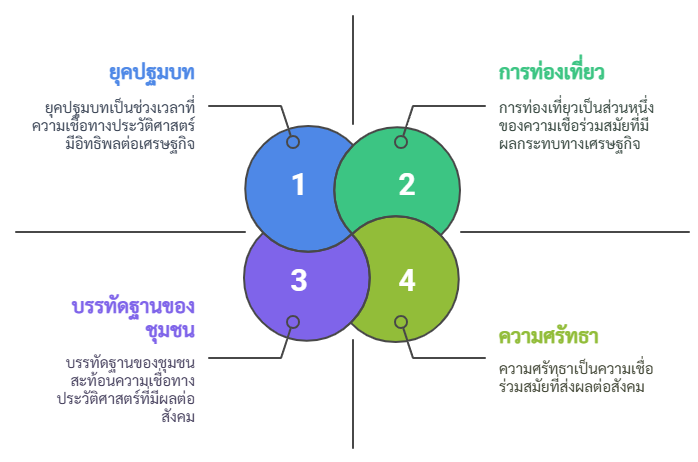
3) The process of establishing the belief in warding off misfortune asa community standard at becoming a central hub for: 1) Faith in sacred objects. 2) Buddhist tourism and the appreciation of stucco art. 3) Community belief in the sacred power of Rahu, the deity of fortune. 4) Economic growth within the community.
References
เดือน คำดี. (2541). ศาสนศาสตร์. กรุงเทพมหานคร: สำนักพิมพ์มหาวิทยาลัยเกษตรศาสตร์.
ธนันต์ชัย พัฒนะสิงห์. (2559.). พระปลัดวีระชนม์ เขมวีโร. ทิพย์ ขันแก้ว. “การสะเดาะเคราะห์ ค้ำโพธิ์ค้ำไฮ ของชาวจังหวัดบุรีรัมย์.” วารสารพุทธอาเซียนศึกษา. ปีที่ 1 ฉบับที่ 2 (กรกฎาคม – ธันวาคม).
ธัญลักษณ์ โพธิกุล. (2567). สถาบันศิลป์วัฒนธรรมเฉลิมพระเกียรติ. [ออนไลน์]. แหล่งที่มา:
http://www.culture.ru.ac.th/images/2564/KM/2563-destiny_manual.pdf
พระมหากาเหว่า แป้นคุ้มญาติ. (2556). “การบริหารจัดการชุมชนสัมพันธ์ของวัดศีรษะทอง จังหวัดนครปฐม.” วารสารพุทธปัญญาปริทรรศน์. ปีที่ 7 ฉบับที่ 4 (ตุลาคม–ธันวาคม 2556): 258.
พระครูสิโรตม์สุวรรณารักษ์ (มานิตย์ ติสาโร/บุญมีลาภ). (2554). “นครปฐม: พระราหูและการสวดนพเคราะห์ในชุมชนวัดศีรษะทอง ตำบลศีรษะทอง อำเภอนครชัยศรี จังหวัดนครปฐม”, วิทยานิพนธ์ศาสนศาสตรมหาบัณฑิต สาขาวิชาพุทธศาสน์ศึกษา. บัณฑิตวิทยาลัย: มหามกุฏราชวิทยาลัย.
มณี พะยอมยงค์. (2529). วัฒนธรรมล้านนาไทย, (กรุงเทพมหานคร: ไทยวัฒนาพานิช.
สรวิชญ์ วงษ์สอาด. (2561). ศรัทธากับปัญญา Faith with Wisdom. พิมพ์ครั้งที่ 9. กรุงเทพมหานคร: บริษัท โอ. เอส. พริ้นติ้ง เฮ้าส์ จำกัด.
อนุชา ม่วงใหญ่, จุฬาลักษณ์ เดิมไธสง, นันทรัตน์ ไชยรัตน์และพรรษมน เพชรมาก. (2560). “ แนวทางการส่งเสริมวัฒนธรรมการสืบชะตาเพื่อการพัฒนาสุขภาวะชุมชนอย่างยั่งยืน.” วารสาร มจร.หริภุญชัยปริทรรศน์. ปีที่ 1 ฉบับที่ 1 (มกราคม – มิถุนายน): 1.
Downloads
Published
Issue
Section
License
Copyright (c) 2025 Journal of MCU Dvravati Review

This work is licensed under a Creative Commons Attribution-NonCommercial-NoDerivatives 4.0 International License.




