SHARE : แนวคิดและเครื่องมือในการถอดรหัสข่าวลวงในบริบทสังคมไทย
DOI:
https://doi.org/10.60101/jimc2025.1825คำสำคัญ:
การรู้เท่าทันข่าวลวง, แนวคิด SHARE, บริบทสังคมไทย, การวิเคราะห์ข่าวสาร, โควิด-19บทคัดย่อ
บทความนี้นำเสนอการประยุกต์ใช้แนวคิด SHARE ซึ่งเป็นเครื่องมือใน
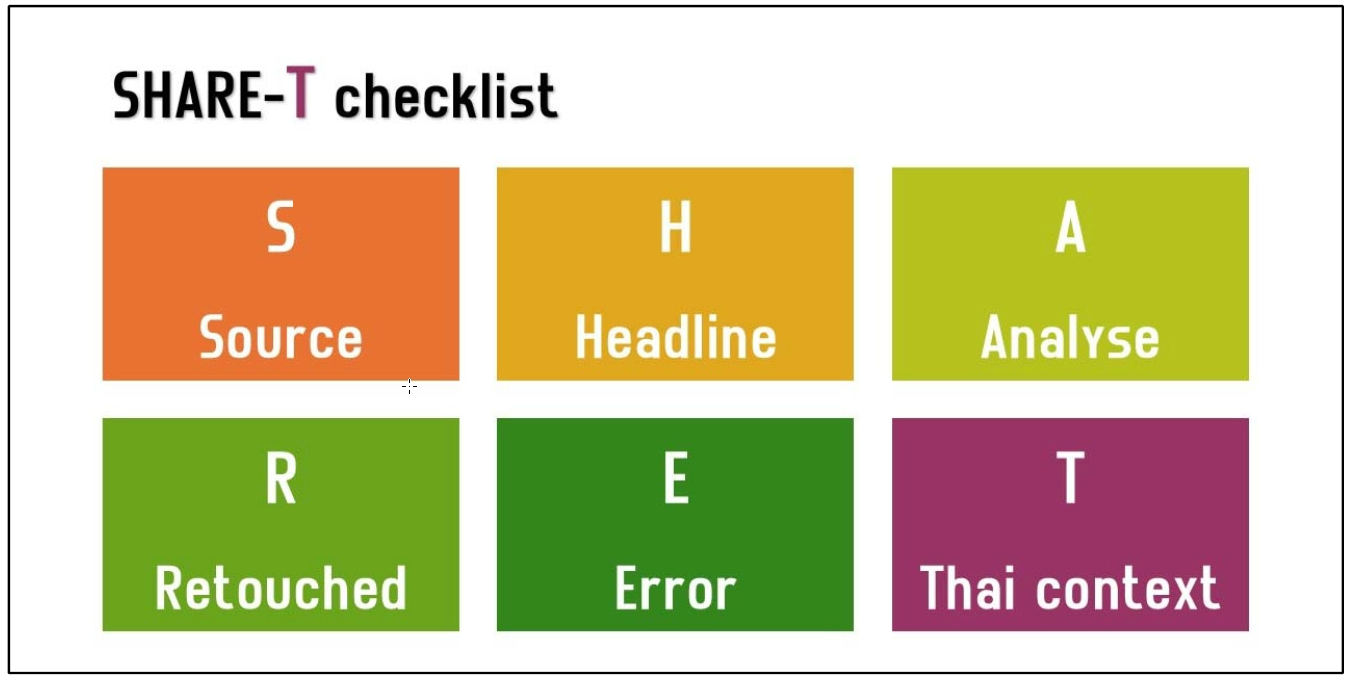
การวิเคราะห์และตรวจสอบข่าวลวง โดยมุ่งเน้นการพัฒนาให้เหมาะสมกับบริบทของสังคมไทยผ่านการเพิ่มองค์ประกอบ “T” (Thai context) เพื่อสร้างแนวคิด “SHARE-T” ที่ตอบโจทย์ความซับซ้อนของข่าวลวงในยุคดิจิทัล การศึกษาเน้นกรณีศึกษาข่าวลวง
เรื่อง “การดื่มน้ำมะนาวฆ่าเชื้อโควิด-19 ได้” และเรื่อง “การแชร์ข่าวปลอมของลามิน
ยามาล โดยบุคคลมีชื่อเสียง” โดยวิเคราะห์ผ่านองค์ประกอบของ SHARE ได้แก่ Source (แหล่งที่มา), Headline (พาดหัว), Analyse (วิเคราะห์), Retouched (การตกแต่ง),
และ Error (ข้อผิดพลาด) พร้อมขยายด้วย “T” ซึ่งครอบคลุมมิติทางวัฒนธรรม การใช้ภาษา บริบททางสังคม การเมือง และความเชื่อท้องถิ่น
ผลการศึกษา พบว่า แนวคิด SHARE-T สามารถช่วยเสริมสร้างทักษะการรู้เท่าทันข่าวลวงในบริบทไทยได้อย่างมีประสิทธิภาพ โดยเฉพาะในสถานการณ์วิกฤต เช่น
การระบาดของโควิด-19 ซึ่งมีข่าวลวงเกี่ยวกับสุขภาพแพร่กระจายอย่างรวดเร็วการพัฒนา SHARE-T เป็นแนวทางสำคัญในการรับมือกับปัญหาข่าวลวง และสามารถนำไปประยุกต์ใช้ในบริบทที่หลากหลายของสังคมไทย
เอกสารอ้างอิง
ภาษาไทย
โคแฟค. (2564ก). โคแฟค เผย 5 ข่าวลวงโควิดวนซ้ำระบาดรอบใหม่ แนะสังคมร่วมสกัดไวรัสข่าวสารด้วยความจริงร่วม. https://blog.cofact.org/presscofact100164/
โคแฟค. (2564ข). ศ.(พิเศษ) เจริญ วรรธนะสิน โพสต์ข้อความเท็จ อ้าง ลามีน ยามาล นักฟุตบอลทีมชาติสเปนเกิด ที่ยะลา. https://blog.cofact.org/factcheck28-67/
นิษฐา หรุ่นเกษม. (2567ก). รับมือข่าวลวง: จาก SHARE สู่กลยุทธ์การรู้เท่าทันสื่อในยุคดิจิทัล. โอ.เอส. พริ้นติ้ง เฮาส์.
นิษฐา หรุ่นเกษม. (2567ข). การเสริมสร้างความรู้เท่าทันในการป้องกันตนเองจากข่าวลวงออนไลน์ผ่านหลักสูตรอบรมเชิงปฏิบัติการทักษะการรู้เท่าทันสื่อและการรู้เท่าทันข่าวลวงออนไลน์. สถาบันวิจัยและพัฒนา มหาวิทยาลัยราชภัฏพระนคร.
นิษฐา หรุ่นเกษม. (2567ค). การเสริมสร้างภูมิคุ้มกันข่าวลวงผ่านการเรียนรู้เชิงรุก. วารสารวิทยาการจัดการ มหาวิทยาลัยราชภัฏเชียงราย, 19(1), 147-178.
เมืองเพลง ปัญญาโชติ. (2565). การเสพข่าวในโลกยุคดิจิทัล. สำนักงานส่งเสริมเศรษฐกิจดิจิทัล.
https://www.depa.or.th/th/article-view/News-consumption-in-the-digital-age
สำนักงานกองทุนสนับสนุนการสร้างเสริมสุขภาพ. (2563). รู้เท่าทันข่าว (News Literacy). สถาบันสื่อเด็กและ เยาวชน.
ภาษาอังกฤษ
Department for Digital, Culture, Media & Sport. (n.d.). SHARE checklist. https://sharechecklist.gov.uk/
Hobbs, R. (2010). Digital and media literacy: A plan of action. The Aspen Institute.
Meppelink, C. S., Smit, E. G., Fransen, M. L., & Diviani, N. (2019). "I was right about vaccination": Confirmation bias and health literacy in online health information seeking. Journal of Health Communication, 24(2), 129-140.
Nickerson, R. S. (1998). Confirmation bias: A ubiquitous phenomenon in many guises. Review of General Psychology, 2(2), 175-220.
Pérez-Escoda, A., Pedrero-Esteban, L. M., Rubio-Romero, J., & Jiménez-Narros, C. (2021). Fake news reaching young people on social networks: Distrust challenging media literacy. Publications, 9(2), 24.